Psalm 58:6
Break their teeth in their mouth, O God!
Break out the fangs of the young lions, O Lord!
 This has to be one of the most striking prayers ever recorded. David is looking at the behavior of those who have cast aside the ways of God and his heart cries out for justice. While it may seem harsh to ask God to break someone’s teeth there is an important principle that is vividly illustrated in David’s song. The principle is that there are certain things that should fill us with rage and produce in us a desire for righteousness.
The world we live in is filled with violence and it has become all too common to hear of school shootings, suicide bombings and other senseless acts of violence that take the lives of the innocent. Just recently, in response to one of these tragic events I heard a community leader say, “We will not respond with anger, fear or hate but with love.” While I completely understand the intent of her statement and the danger of allowing anger to control a life I also realize that there are certain things that should fill us with anger. We might go so far as to say there are certain things we must learn to hate.
It is only when we see the ravaging effects sin has upon individuals, families and culture as a whole that we will develop the proper attitude toward it and conversely begin to take the proper steps toward eradicating it.
Pastor Jim
Psalm 58
- God is just and He will judge the “wicked.” As you read this chapter, praise the Lord that you have given your heart to Him and that you do not fall into the “wicked” category.
- Often times we do not consider the consequences of sin because nothing happens immediately after we do sin. Even in the world, we see people apparently “getting away” with sin. Verse 11 tells us what?
 David was facing an extremely difficult season in life. The more things began to unfold the more he desired to run away and hide. He writes of his desire to flee to the wilderness far away from the problems and the people that surrounded him. He writes of desiring to have wings that could carry him far from his problems. I don’t think the psalmist is alone in this. I know I have felt this way and have met many believers who long for a way to escape the difficulties of life. I wonder how many of us have wished for our own private get away far from the problems and issues of life? While there is no island or mountain hideaway where we can be saved from the issues of life, there is a place the child of God can run for refuge.
 Biblically speaking atheism is considered folly because God has gone to great lengths to reveal himself to mankind. Paul, when writing to the Roman church divided God’s revelation of himself into two categories; he spoke of things being manifested “to us and in us.”
 David makes reference to the fact that he was born into sin. He realizes that his sin is not just a mistake that he made but a consequence of his very nature. The bible teaches that sin was passed down to us from Adam and has affected all of us making all of us sinners. Reforms are good and necessary both individually and nationally but these reforms cannot change our nature. We can become better husbands, fathers, neighbors and citizens but until we are born again we still have a nature that is unredeemed and we will be forbidden access to heaven.
 Have you ever heard the phrase “You can’t take it with you”? It seems like this sentiment might be as old as time itself. Thousands of years ago the sons of Korah used it as a lyric in one of their most famous songs. The basic thought is that when this life comes to an end all that we have accomplished will be left behind. In recent years I heard a similar phrase that carries the same thought, “You never see a hearse pulling a U-Haul trailer.”
 Sometimes knowing the setting in which a psalm was written is beneficial to understanding its content. Other times, like in this psalm, the setting is not given because the truth is universal. Whatever our condition, whether we would classify it as good or bad, blessing or trial, God remains the same and is always worthy of the highest praise. The truths tucked away in this psalm transcend every experience the child of God endures. Whatever state you are currently facing, it is a good idea to clap your hands and shout out the loudest praise.
 Arguments take place when we have differences of opinion. Both parties think they are right and the other is wrong. When these differences of opinion escalate they often lead to serious divisions. Marriages, families and churches have often been the unwary victims of intense argumentation. When arguments take place we have probably learned what to do when we are in the wrong; we humbly apologize and seek to make whatever restitution is necessary. But what about when we are right. Have you ever considered the proper action to take when you are in the midst of a misunderstanding between yourself and someone you care about? Perhaps it would do us good to reconsider what we do when we think we are right. David wrote;
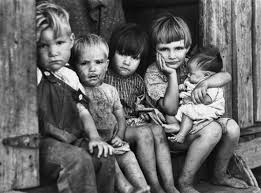 The Bible has much to say about the poor. The word poor is used almost 200 times in the NKJV of the Bible, Israel as a nation was required to set up a system where the poor was able to glean the edges of the fields to provide food for themselves and their families (This is part of the story line of the book of Ruth). Jesus spoke of blessing the poor, and encouraged His disciples to minister to them. In the book of Acts we see the churches sending aid to believers who were undergoing severe trials caused by famine and persecution and James writes warning the church not to neglect the poor or to treat them any less than we would the wealthy. It is clear that those who are neglected by men are highly esteemed by the Lord. That being said the Bible also places certain responsibilities upon the poor. The welfare system in Israel required the poor to work for the food they received and Solomon wrote that “much food is in the fallow ground of the poor.” When Paul wrote to Timothy regarding the widows he explained that the church had a responsibility to assist the widows who were godly but charity would not help those who were living a wasteful life.
 There are times in life when words seem like a raging fire building within us and we are almost forced to speak. This can be positive, like when Jeremiah wrote of being so discouraged he no longer wanted to share the words of God with anyone, until those words became like a fire within him and he could no longer contain them. Or this can be negative, like when gossip burns within us, pleading to be passed on to others; or when in the midst of an argument, we lash out with hurtful words that shatter someone we love.
