Psalm 111:1
“Praise the Lord! I will praise the Lord with my whole heart, In the assembly of the upright and in the congregation.”
 God created us as social beings; we need the companionship of one another. Knowing that being together is a necessary part of healthy development and spiritual growth, God established seven feasts that took place during three different seasons of the Jewish calendar year. During these feasts the children of Israel were to journey together to the city of Jerusalem. The journey itself became a time of celebration. The closer they came to the city, the more they would celebrate. As they hiked up the hills where Jerusalem sat, they would sing a series of psalms, now known as the Psalms of Ascent. Upon arriving, the feasts consisted of corporate gatherings, sacrifices, teachings, worship and eating. Like the festive times in our calendar year, I am sure these were the highlight of the year for the people.
In the New Testament, God established another means by which to satisfy the social needs of His people. He created the church. Now the primary purpose of the church is to be a place where God is glorified, and the Word of God is taught, but in order to do those things, we must gather together in corporate worship. When that becomes a regular part of your weekly schedule, you will find you are not only growing closer to Christ, investing in eternal things, but you are also much healthier, socially. God knows our needs and designed corporate worship for our benefit. When it is neglected, our growth is stunted, but when we regularly participate in it, we begin to grow in ways that we never thought possible.
Let’s follow the example of the Psalmist, determining that we will praise the Lord in the assembly of the righteous. Here are a few tips that will enhance our worship experience. First, determine now that you will not be a random attendee in your local church. Plan now to attend Sunday morning and a mid week service. Plan for things that regularly interfere, perhaps even making dinner in advance. Get the kids involved with the ministry at their age level. My kids love church because of the relationships they established with others.
Corporate worship is key to spiritual growth. Get plugged in today
Pastor Jim
Questions for Psalm 111
- Psalms 111-118 are thought of as the praise or hallelujah psalms. Are you in a season of life where you’re finding it hard to praise the Lord? Be encouraged- dig in right here.
- In verse 1, how much of our heart is supposed to be used to praise the Lord as we meet with His godly people?
- One of the important categories of Inductive Bible Study is “looking for repeated words.” In verses 2-7, what word gives us the main point of this Psalm?
- What is the beginning of wisdom?
Old Testament:
1 Chronicles 16- Let’s Talk
1 Chronicles 17- Not Now
 The psalmist declares that the blessed life, or what we might call our best life, will stem from delighting in the commandments of God. The word delight means to be pleased with or even to celebrate or rejoice in. It might be illustrated with a child’s face as they see a stack of birthday gifts or an adult when they take the first bite of a favorite dessert. The word commandments is a broad word referring to the word of God but may specifically refer to the things He commands us to do or to avoid.
 When I read the songs of David, I am fascinated with the level in which He knew the Lord. He expresses praise in a way that reveals the depths in which he understood the majesty of God. He speaks of mercy, grace and loving-kindness, not as one who studied it in a classroom, but as one who experienced it daily. This psalm reveals the level in which David understood the justice of God. If this Psalm seems harsh, it may be partly due to the limited understanding we have of God’s justice. We live in a world that finds it difficult to reconcile love, mercy and justice. We see it as unloving to punish an offender, yet we know it to be unjust to allow them to go free. It is common to project our limited understanding of righteousness on the Lord, only to then accuse Him of wrongdoing when He judges the ungodly. We must never forget, God is a holy and just God. When sin is committed it must be judged, God will bring justice upon those who have rebelled against Him, and mistreated His children. Ultimately, this judgment will be punitive and those who have rejected Christ will be separated from God.
 The evolution of love is seen in the relationship between children and parents. An infant child cannot survive on his own and is completely dependent upon the mercy, grace and love of the parents. In a proper relationship the parents give time, energy, even sleep for the benefit of the child. As the relationship develops so does the love, it is not long before the parents begin to see the return in their investment. I can remember being so excited when my children began to smile and laugh, or when they would crawl across the room only to get up on my lap and snuggle. What a joy! Just this week I received messages from each of my boys expressing Father’s Day wishes in their own humorous ways. Our relationship has become one of an exchange of love. This Psalm is an illustration of that kind of love relationship with God. The Psalmist cries out with thankful praise as a response to what God has done for them. Paul used an interesting word for thanks when writing to Timothy, he said “Thanks be to God…” and the word he used was “karis” which is the word used to speak of God’s giving nature. Because of the grace we have received from the Lord, we give grace back to Him.
 This psalm recounts the faithfulness of God during the days of the patriarchs. After mentioning Abraham, Isaac and Jacob, the Psalmist reminds us of the struggles Joseph faced after being sold into slavery by his own brothers. We know he experienced betrayal, beating, false accusations and imprisonment. Each trial he faced was a means by which the Word of God put him to the test.
 It is a common advertising strategy to attempt to sell an item by comparing it to something else. We might see a car commercial with a cheetah running, to convince us of the speed of the vehicle; or a flowing river, to reveal the thirst quenching power of a soft drink. David is, in a sense, attempting to sell us on the greatness of God. He knows the Lord and wants everyone to taste and see for themselves that the Lord is good. To do this he makes a series of comparisons, to convince us to trust in God.
 One of the saddest experiences in life is to see a close friend fall away from the Lord. From the outside, the process often looks the same. A person, who once walked closely with the Lord and was involved in Christian service, begins to drift ever so slightly. First, their conversation changes. Instead of talking about the Lord, sharing from their times of Bible reading or service, they begin to talk only of the waves and the weather. Next, we begin to see them a little less frequently around the church. In some cases, only the responsibility of a service commitment keeps them coming; until finally they step down from their responsibility, and seem to vanish. Sometimes, it will take weeks or even months before we realize what has happened, and by that time, they have cut ties from most of their Christian friends, and are back involved in the things of the world.
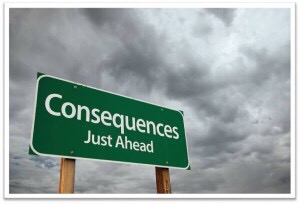 The Psalmist writes regarding the forgiveness of God and the fact that He will mete out vengeance on certain actions. These concepts often seem contrary to one another. We associate forgiveness with the removal of any and all consequences, but God does not see it that way. Abraham was forgiven for his sin with Hagar, but Ishmael was still born. Samson was forgiven for his sin, but the pillars still fell upon him. David was forgiven of adultery, but Bathsheba’s child still died. Peter was forgiven for denying Christ, but still had to live with the image of Christ’s gaze and the memory of the rooster’s cry.
 I find it striking that the Psalmist declares that hate is a necessary expression of true love. He explains that part of being in a healthy love relationship with Jesus is having a hatred for evil. Why is it necessary to hate evil? Why should we hate evil? I can think of at least three pretty strong reasons.
 The Bible is filled with wonderful promises designed to comfort and guide the believer through the pitfalls of life. One such promise is recorded here. The psalmist declares that the day is coming when the world will be judged in righteousness.
 Jim Gallagher