Luke 1:80
“So the child grew and became strong in spirit, . . .”
 Every parent has the same goal. We desire the best for our children. We want to see them achieve more than we have. We want them to make it through childhood not having been distracted or derailed by vices, but to be prepared to live godly lives and make good life choices. What a blessing for Zacharias and Elizabeth to read that their son, “grew and became strong in spirit”.
This statement reveals the grace of God, but it is also the byproduct of the way they lived their lives. We read in Scripture, and see in life, there are godly children produced in ungodly homes, however it is much more common for godliness in parents to be transferred to their kids. Notice for a moment the way Zach and Liz lived, we read,
“They were both righteous. . .”
Zach chose a godly wife, she a godly husband.
Zach served the Lord.
Together they were committed to the Word of God.
Even before John was born, they were praying for him.
They were real people with real struggles. Not having children and being older, caused Zach to question the promises of God; yet they continued to faithfully follow and serve the Lord.
They stood up to the culture – because Zach was mute, Liz named their son John. The people opposed her, yet she stood on the Word of God.
They worshipped the Lord. The moment his tongue was loosed, instead of blaming God for the difficulties of the last 9 months, Zach worshipped God.
They were filled with the Holy Spirit. Parenting is perhaps life’s greatest challenge, we cannot face it alone, we need a daily outpouring of the Spirit to succeed.
Perhaps the key to it all, they parented with a purpose. In Verse 76, we read they taught John the Word and ways of God. They taught Him God had a plan for his life, and taught him to live up to that plan.
We all want to see our kids and grandkids walking with the Lord. While we trust them to the grace of God, we also must set an example of walking with the Lord. Let’s commit today to put the things of the Lord first in our lives
Pastor Jim
Old Testament:
Exodus 39- Dress For Success
Exodus 40- Glory Of The Lord
 Paul explained to the Corinthian church the simplicity of the Gospel message. He stated that Jesus died for our sins, was buried and rose again on the third day; all according to the Scriptures. That was the message the first believers declared to their world. They went into their homes, streets, marketplaces, schools and places of business, declaring the Son of God died for our sins and rose from the dead.
 We have come to the most solemn and most important of all Biblical events. The entire life and ministry of Jesus, as well as the whole of human history, has been leading up to these events. Jesus declared, no one could take His life, but that He would lay it down (John 10:18). That day has finally arrived. Without a fight, Jesus, the creator and sustainer of heaven and earth, was taken by the mob, condemned by the the courts, beaten by the soldiers, and nailed to the cross. There on a cross of wood, amidst the clamor of the mob, He would bear the penalty for the sins of all humanity. Louder than all the jeering of the mockers, the laughing of the soldiers, the accusations of the pharisees and the weeping of the disciples, rang out the cry “My God, My God why have You forsaken Me?”
 Mingled into the fabric of the betrayal, arrest, conviction and crucifixion of Christ, is the story of Peter’s denial. What happened to him? He went from confidently stating he would never deny Christ, to hiding his faith, denying his Lord, and bitterly weeping. While we never start out to fall, the path we walk will always determine our final destination. Peter’s path inevitably led to Peter’s fall. Let’s take a few minutes to notice the steps leading to his failure, that we might avoid these same pitfalls.
 The stones that formed the Temple were massive. Their sheer size represented permanence. For the disciples, it would be difficult to imagine them ever being destroyed. When Jesus declared that a time was coming when the Temple would be leveled, the minds of the disciples jumped to the future. They asked;
 The world is fascinated with love. Innumerable songs, books, plays and poetry have been written on the subject. Love is the favorite theme of Hollywood movies, gossip rags and television shows. We even have Valentine’s Day, where we celebrate love with flowers, candy and romantic sentiments. I grew up hearing the words “all we need is love” heralded through the airwaves. Love was an important subject in the times of Christ as well. When Jesus was asked what was the most important of all the commandments He responded, “ ‘You shall love the Lord your God with all your heart, with all your soul, with all your mind, and with all your strength.’ This is the first commandment. And the second, like it, is this: ‘You shall love your neighbor as yourself.’ There is no other commandment greater than these.” Mark 12:30 The scribes understood exactly what Jesus was saying and agreed with Him fully. They said “to love God and to love others is more than all the offerings and sacrifices.” We have taken the greatest commandment and put it through the word processor of modern times and reduced it to one word: love. Even those who do not follow Jesus (and a few who do not even believe in Him) will quote Him as saying the greatest commandment is love. They will go on to espouse, that if we want to live and die right, all we need to do is be loving toward one another. Since Jesus declares that this is the most important of all commandments, it is vital that we understand that the command not only states love is the greatest responsibility of man, but also declares who we are to love. Just to love our family, or be compassionate toward those less fortunate than us, or to be kind to our fellow man, does not satisfy this commandment. We are only fulfilling the great commandment when we are loving God first, and loving others as an expression of our love for God. Ask yourself this morning, do I love God first? If you do, He should have first place in your life, which means He will have first place in your living. If you love Him, you will spend time with Him, in His Word and in prayer. You will seek to please Him with your actions and express your love to Him in worship. Just to love, or to herald the importance of love, does not satisfy the greatest commandment. Instead, “You shall love the Lord your God with all your heart, with all your soul, with all your mind, and with all your strength. ’ This is the first commandment. And the second, like it, is this: ‘You shall love your neighbor as yourself. ’ There is no other commandment greater than these.”
 Journeying through the gospels, we have many glimpses into the emotions of Christ. We see His compassion upon the multitudes and the sick, His love toward the rich young ruler, His sadness at the death of Lazarus, His tenderness toward the children, and so much more. As we encounter Him at the Temple, it is His anger that becomes evident to us. We read of Him turning tables over and driving people out of the Temple. Whatever we do not understand about this event, it is clear to all that Jesus is very upset with what is going on in the Temple courts. The key to unlocking the meaning of this event is in the words of Jesus Himself. He said,
 Imagine the thrill that must have filled Bartimaeus when he heard these words. Although his eye did not allow him to see, he had heard the stories of the man from Galilee, who was healing the sick and raising the dead. Now Jesus was right there within the sound of his voice, able to hear his cries. Knowing that he had nothing to offer, Bartimaeus simply cried out for mercy. “Jesus, Son of David, have mercy on me!”
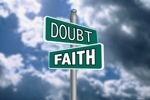 We are introduced to a man facing one of life’s greatest obstacles, the illness of his son. We have little glimpses into the great love he had for his child. We are told the father cried out with tears, and although the boy had been suffering from childhood, his father stood with him, even risking his life to rescue him. When he finally came face to face with Jesus, he was given a great promise; “If you can believe, all things are possible to him who believes.” This man’s response is both practical and poetic. “Lord, I believe; help my unbelief!” It seems to me, this man had many reasons not to believe. His son, whom he loved, was tormented; this had been going on his whole life. He implies that time and time again, his son was at the point of death, only to be rescued by his father. It seems clear, nothing medically could help him. To make matters worse, he had come to the disciples, and they were no help. It is not difficult to understand why he was filled with unbelief. Love, medicine, and religion were of no help in overcoming the great obstacle he was facing. It is easy to see why his faith had waned.
 A paradox is a statement that seems contradictory or opposed to common sense, but is true. The statement Jesus reveals is one of life’s greatest paradoxes. Man was created to know God. Jesus said that He came to “give us life and that more abundantly.” When our lives are lived in complete obedience to the Lord, we experience the height of living. When we hold back, unwilling to give ourselves, our time, or some sinful activity; we think we are gaining, we think we are better off. That very thing we are holding onto, is the very thing keeping us from the abundant life Jesus created for us.
