Habakkuk 3:17-18
“Though the fig tree may not blossom, Nor fruit be on the vines; Though the labor of the olive may fail, And the fields yield no food; Though the flock may be cut off from the fold, And there be no herd in the stalls— Yet I will rejoice in the Lord, I will joy in the God of my salvation.”
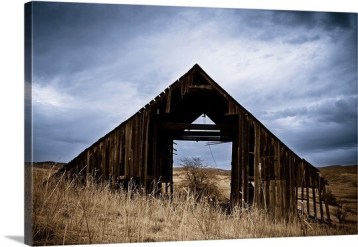 It is not uncommon today, to hear messages in the church making it sound as though walking with Jesus will mean we will no longer face difficulty, and our life will be filled with increase. This teaching is referred to as “prosperity doctrine”, and while catchy, it is clearly not Biblical. The saints of old did not expect to walk through life without trial, difficulty or opposition. Instead, they expected that in he midst of whatever life threw at them, they would find help, comfort, consolation and strength from the Lord. Perhaps no one more clearly expresses this than the prophet, Habakuk. He paints the darkest picture a farmer could ever imagine and declares, in spite of it all, he would continue to rejoice in the God of his salvation.
Clearly, the prophet considered life to be much more than the temporal successes or failures we experience here. He looked beyond the hardships of life into the face of eternity, and celebrated the fact that a day would come when this life would reach its end and he would be face to face with the God of salvation. Often, we lose sight of God because we are focused only upon the here and now. We forget, the real reason Christ came was not to make this life better, but to prepare us for the life to come. The trials and triumphs we experience here are only truly understandable when we keep in mind, we will soon be standing in eternity.
If we are only following the Lord in hopes of larger flocks and crops, we are on a course destined for disappointment. We are certain to become disillusioned the first time we face a trial, or come up against a hardship that is designed to get our eyes on eternity. Instead of looking to Jesus to make you more successful, look to Him to make you more holy.
Pastor Jim

 Habakkuk struggled to understand what was happening in his life, because his theology did not allow for the wicked to prosper and the righteous to suffer. His definition of holiness meant that those he considered to be wicked, could never prosper above the righteous. The prophet is not alone in the struggle to reconcile life experiences with what we think to be true of God.
 t is remarkable how we all think we are the exception to the rule. We believe wrong should be made right, injustice should be corrected, and sin should be punished, but we also believe that our wrongs are not that bad and should be overlooked. This is not a modern problem this is a human problem. Almost three thousand years ago, the inhabitants of Nineveh thought they could go on behaving however they wanted and would not face the judgment of God. They believed, others deserved it, but they themselves, were not as bad as their neighbors.
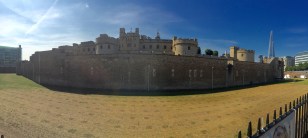 Nahum wrote to warn Assyria of the destruction that was coming upon them, because of their violent and immoral rebellion against God, His word, and His ways. He foretold of a time when the ancient city of Nineveh would be razed to the ground. Like Jonah before him, his message reveals the mercy of God, as the people are warned in advance and told how to be prepared. They are told to man the fort, watch the road and fortify the city. This is good advice no matter what enemy we are facing. In ancient times, cities were defended by being surrounded by high walls. The less defensive the terrain, the higher the walls had to be. If a city sat on a hilltop surrounded by steep cliffs, it’s walls did not have to be nearly as high as a city situated in the plains.

 It is not uncommon to hear people complain. If the sun is out, we find it to be too hot, if the clouds fill in, we complain that it is muggy, overcast or dreary. We often sound like Goldilocks, who thought things were too hot, too cold, too hard or too soft. When things pass from being uncomfortable to unmanageable, it is common for our complaints to turn against God. We accuse Him of being unfair, distant, uninvolved or even unloving. Like the disciples in the boat, we think God is asleep and does not care about the storm we are currently enduring. Micah draws our attention to a different grievance; this passage reveals the complaint God has against His people.

