Psalm 19:10
“More to be desired are they than gold, Yea, than much fine gold; Sweeter also than honey and the honeycomb.”
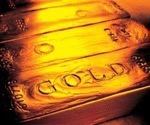 We have all had the silly daydream of winning the lottery, finding a stash of money in a secret compartment in the attic, inheriting millions from an unknown uncle, or inventing the next great product everyone wants to own. Why? I think the answer is simply that we would all love to have an unlimited supply of cash; not for it’s intrinsic value, but because of what we can obtain with it, and for the security that it brings. Imagine never having to worry about the bills again.
Here the Psalmist declares there is something he desires, perhaps even daydreams about, more than riches. His desire was for the Word of God. Using such sweet poetry, he declares that God’s Words are of more value to him than gold, and sweeter to his ears than honey is to his lips. Why? Why did the Psalmist put such a high price tag upon his Bible? I think the answer is found when we consider what we gain from the Words of God.
David is delighting in the purchasing power of the Words of God. Each and every one of the precious promises found in the pages of your Bible has power to transform your life, and your living. He declares four things about God’s Word that makes it more precious than any treasure on earth. First, it is able to convert the soul. No amount of money can prepare a man for eternity, but one truth from the Word of God can convict a person of their sin, and lead to the cross; where they can be forgiven and redeemed. Second, the Word will make wise the simple. We are daily faced with difficult decisions, but the Bible is filled with daily direction. Third, it rejoices the heart. In the times of deep despair, when the sorrows of death encompass us, a single verse has the power to bring joy to the heart, setting us free from despair. And finally, it enlightens the eyes. There are so many roads in life, so many dangerous pitfalls to avoid. We can sometimes be overwhelmed with the decisions we are forced to make. Yet, the Word of God promises to illuminate our paths. Later in the Psalms, we will read that His Word is like a lamp for our feet and a light for our path (Psalm 119:105). No need to wander aimlessly through the darkness of life, when the Bible turns the lights on.
Instead of daydreaming about a bigger house, a newer car, a grand vacation, or pot of gold, let’s meditate upon the great and precious promises of God.
Pastor Jim
 After appealing to Caesar, Paul was sent on the long journey to Rome. He was to stand trial for the accusations brought against him by the religious leaders of Jerusalem. Paul was released from his Caesarean prison and placed in the care of Julius, a Roman centurion. Acts 27-28 records the story of their journey to Rome. Right away, this journey faced obstacles.
 The story of Micah is all too familiar. In a time when the Word of God was being neglected, Micah created his own “homemade religion.” He used terminology familiar to true religion, he had a priest and an ephod. However, his god, his worship, and his lifestyle, was really nothing more than a product of his own imagination. As time went on, his religion became even more organized. He established a priesthood consisting first of his own son, then of a wayward Levite, who pretended to be an expert on the things of God. Only in vocabulary, did this religion bear any similarity to a real relationship with the true and living God.
 Israel needed to learn a very important lesson if they were going to be successful in walking with the Lord. That lesson: the Word of God is counter-cultural in every culture. They were being called to live by a different, and higher standard than the nation they came out of, and the one they were entering into. The same is true of the Christian today. It should not be shocking to us that the world has a different view of what is holy, acceptable, right or wrong, than we do. Instead of looking to the culture around us, we need to look into the Word of God to learn what is holy and what is sinful.
 Have you ever wondered how different the story of Exodus would read if Pharaoh had only listened to the Lord? Instead, Pharaoh is an example of what we should not do, when we hear the Word of the Lord. We read, Pharaoh refused to allow his heart to be moved. Before ever hearing the Word of God, he had already determined he would not obey. A good friend of mine went on a vacation to a new hotel that was selling time shares. They received a very inexpensive rate on their room, under the condition that they would sit through a sales pitch. Before entering the meeting, he and his wife made a pact, they would not allow themselves to be swayed into purchasing something, no matter how good it sounded. That may be a good way to approach hard sales, but it is a terrible way to approach listening to the Word of God.
 Jim Gallagher