Ezekiel 24:18
“So I spoke to the people in the morning, and at evening my wife died; and the next morning I did as I was commanded.”
 It is very common for tragedy to become an excuse to misbehave. We complain, doubt, or even sin, believing we are justified in doing so because of the difficulties we are enduring. Perhaps it would do us good to examine the actions of Ezekiel, when he faced the greatest trial of his life.
Ezekiel was no stranger to hardship. Years before the events of chapter twenty-four, he was taken captive by Babylonian forces and led as a prisoner of war from his home to a distant land. Living in what amounted to a refugee camp, Ezekiel became a prophet to a group of people who refused to listen to his message. God told him the only way he would be successful was to be more stubborn for the cause of God, than the people were for their sins. During his years of ministry, he experienced ridicule, sleeplessness, rejection, and hunger, but the trial he was about to face was more difficult than all of this things combined. Ezekiel’s wife would die suddenly.
We know how hard this was for him, because after all the years of marriage, she is described as, “The desire of your eyes.” What a beautiful picture of the relationship between the prophet and his bride. It is likely they had walked hand-in-hand through whatever life threw at them, until suddenly, almost without warning, she was taken from him. Rather than blaming God or even stumbling in his walk, we read,
“So I spoke to the people in the morning, and at evening my wife died; and the next morning I did as I was commanded.”
In the midst of the most difficult time in life, Ezekiel chose to remain obedient to the Lord. I think this is possible because of the years he spent faithfully sowing into his relationship with God. As a result, he had something to draw from when his world collapsed.
We cannot avoid the difficulties of life. The longer we live, the more likely we are to be struck by them. We can, however, control how we respond to them. We can either allow hardship to bring us to the Lord, or to put a wedge in our relationship with Him.
Choose to allow the difficulties to bring you closer into the presence of God and see His faithfulness.
Pastor Jim
 I recently watched a news segment which focused on two teenagers who decided to rob a local business. One of the boys was reluctant to get involved, while the other boasted confidently that “no one would get hurt.” Sadly, as the story unfolded, one man lay dead and two young men were sent to prison for life. Sin is just like that. It promises to bring us happiness, and ensuring us that no one will get hurt. Regrettably, David found this out the hard way. One night, while allowing his passion to be distracted from the Lord, David made the choice to pursue his lust and begin a relationship with another woman. What he thought would bring him pleasure, continued to cost him over and over again. This chapter reveals some of those costs.
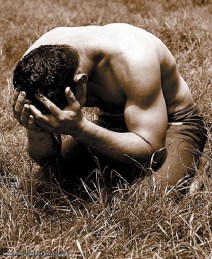 David and Bathsheba found themselves face to face with a parent’s worse nightmare. Their child was diagnosed with a terminal illness for which modern medicine had no answer. Like any of us, David was devastated, he would not eat or sleep, and those closest to him began to worry about what he might do to himself. When the sickness reached the end, and the child passed, David’s behaviors changed dramatically; he showered, ate, and worshipped. When questioned about the sudden change, he declared,
  Sometimes perspective is reality. How we see things will determine how we act. Jacob had experienced a series of very difficult trials. He lost his sons, Joseph and Simeon, and now he was in danger of losing his youngest son, Benjamin. As these things built up around him, he cried out in despair, “All these things are against me.” What Jacob failed to realize is, the things that seemed to be working against him, were the very things God was using to work out the salvation of his family. All he could see was loss, but God was at work, behind the scenes, preparing a much greater reward than he could ever imagine.
 Jim Gallagher