1 Thessalonians 3:3
“That no one should be shaken by these afflictions; for you yourselves know that we are appointed to this.”
 There seems to be a great deal of teaching in the church today regarding prosperity. The messages vary, but the basic idea is God wants to bless and prosper you. This prosperity is defined as being wealthy, healthy and successful. There is no question, by following Jesus, you will avoid many of the pitfalls in life that lead to suffering, but it is wrong to use a secular dictionary to define Biblical terms. The same Jesus who promised abundant life, also promised that in this world we would have tribulation (John 16:33). The same apostle who experienced what it was to abound, also went through times where he was abased; he said, “Everywhere and in all things I have learned both to be full and to be hungry, both to abound and to suffer need” (Philippians 4:12).
Here, in 1 Thessalonians, Paul speaks of the afflictions that the believers were experiencing. The word translated ‘affliction,’ means to press together. It would speak of someone who is experiencing trials that are squeezing in upon them, making them feel as though they will be crushed. Similar words to affliction are: distress, oppression, or even tribulation. Paul tells the Thessalonians two things about the trials they are facing.
First, the word is in the plural form, meaning these afflictions come in many shapes and sizes, and are incidents we will experience throughout our Christian walk. Second, Paul reminds us, we have been appointed to theses afflictions. God, in His sovereignty and will, His unlimited love for us, and power toward us, not only allows difficulties, but appoints us to some of them. While it is wrong to blame every trial on God (some things are the consequences of our own sin, or the result of living in a fallen world that fights against God), there are difficulties into which God directs us. Why? Why would a loving, heavenly Father allow us to go through times of difficulty? The answer is manifold, but carries at least two primary thoughts.
First, we are appointed to afflictions so we will grow in Christ. The Thessalonians were known for their faith, love and commitment to the Lord. Their maturity had much to do with the difficulties through which Jesus led them. Second, their growth, through afflictions, worked to lead others to Christ. So often, it is seeing how a believer handles his trial, that leads others to trust in Christ.
Be careful you do not accept prosperity teaching at the expense of the Bible’s teaching on Christian growth and maturity. Paul said his desire was “to know Christ in the fellowship of His suffering”(Philippians 3:10).
Pastor Jim
 Paul mentions four types of people in the opening verses of this chapter. He refers to mere men (some versions read natural man), babes in Christ, carnal men, and finally spiritual men. These terms represent a natural development in the spiritual life of an individual. Natural man refers to a person before they place their faith in Christ. The natural man is living, breathing, walking, talking, perhaps even loving, giving, sharing and caring, but the natural man is separated from God, and living in sin. It is when the natural man hears the message of the cross, recognizes his need for a savior, and places his faith in Christ, that his sin is forgiven and he is born again into the family of God. At that point, he becomes a babe in Christ. Like all babies, the new Christian must be cared for. He needs constant companionship, encouragement, example, and a diet of the simple teachings of the Word of God.
 Tucked away in a sea of names, we find the brief story of a man named Jabez. From the bits of data recorded about him, we learn he was an honorable man who left a mark upon his world. His name reveals much regarding his upbringing. Jabez meant “to cause pain.” He received that name because of the difficulties surrounding his birth. It seems as though his mother never got over that trauma, because Jabez grew up thinking his life would cause continual pain to others. Instead of growing up in a home where he was nurtured and encouraged to become all God had designed him to be, Jabez grew up being reminded that his life would only cause pain in others.
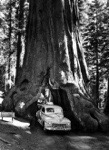 I remember years ago listening to Pastor Chuck Smith teaching from John 15 on the Vine and the branches. To illustrate our need to bear fruit, he asked, “What does a full grown tree look like?” Immediately, my mind was filled with visions of the massive Redwoods of Northern California. I remember, as a child, driving our car through a tunnel cut out of a tree in Humboldt County. After pausing to let the question sink in, he responded, “A full grown tree looks like firewood.” You see, a tree grows as long as it is alive. The moment it stops growing, is the moment it has died.
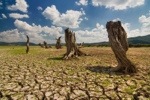 The book of Numbers receives its name from the numbering of the people that occurred in Chapter 1 and again in Chapter 26. In Chapter 1, those who came out of Egypt were numbered. In Chapter 26, 40 years later, at the end of their wilderness journey, they are numbered again. A careful look will reveal, some of the tribes grew, and some of the tribes shrank. I think there is an important application we can glean which pertains to our lives. Just as they were in the wilderness, we often find ourselves in a spiritually dry time. We may even feel like we’re just wandering around aimlessly. I think it is valuable to remember, based upon what we do in the wilderness, we can either come out having shrunk or having grown.I
 Jim Gallagher