Isaiah 47:1
“Come down and sit in the dust, O virgin daughter of Babylon;
Sit on the ground without a throne,
O daughter of the Chaldeans!
For you shall no more be called
Tender and delicate.”
 Sitting in the dust, like wearing sackcloth or throwing dirt in the air was a sign of mourning. It was not uncommon in the ancient world for a person stricken with grief to express it outwardly. Those who lost a loved one, or were burdened by personal sin were easily identifiable to the people around them.
At the time Isaiah is writing Babylon was on its way to becoming the most powerful and wealthiest nation of that era. They will soon topple Assyria and spread their empire from Iraq to Egypt. While on the rise it is often difficult to see our need for Christ so Isaiah takes them to the future when their nation, like all nations before them would fall. He describes a coming time when their mothers, wives and children will become captives and their land destroyed.
It seems that today a great emphasis is placed on planning ahead. I recently saw an advertisement for retirement planning that used blocks to show the value of starting now and setting a little aside each month for the future. While I am certain there is wisdom in planning for retirement their is even greater wisdom in planning for eternity. The first step involves turning to the Lord and away from a lifestyle that is unacceptable to Him.
How sad for the Babylonians who ignored the warnings of the word and continued on a path that led to their own destruction.
Jim
 Prayer is a critical part of our relationship with God. It is the means by which we are involved in the work of God on earth. Scripture reveals the things God desires to do when we join in prayer; as a result we get to see God work. There are many texts in Scripture making it clear that when we fail to pray, we fail to experience the works of God. Perhaps the most well-known is when James declares, “You have not because you ask not.” (James 4:2c) Because of the importance of prayer, as it relates to the work of God, John instructs us on how to pray. Verse 14 tells us what to pray for,
 Paul has come to the end of his road. While prison was an all too common experience for the apostle, he had been delivered from it, and other perils, time and time again. Somehow, he knew this time would be different, and his deliverance would be through death. Not long after this letter was written, Paul was martyred for his faith in Christ. As his journey concludes, Paul examines his life, looking at his past, present and future.
 Famous American inventor and statesman, Benjamin Franklin, is credited with saying, “Nothing is certain except for death and taxes.” It seems we spend much of our time, effort, and energy, trying to avoid these things, rather than preparing for them. Some of us will exercise regularly, change our diet, and get regular checkups with our family doctor, in an attempt to postpone the inevitable. Others, will avoid any thought whatsoever of death or dying, and live this life as though it will last forever. Some, might have a risk-it-all attitude, where they live life on the edge, while others will attempt to amass as much stuff in this life as possible. Remember the mantra “He who dies with the most toys wins”?While I am not suggesting that eating healthy or enjoying life are bad ideas, I am saying, attempts to avoid or ignore death, are not nearly as important as attempts to prepare for it.
 When Hezekiah heard the report that his condition was terminal, and death was knocking at his door, he immediately began to pray. His prayer recounted the way he had lived his life in commitment to the Lord. All that was left was to beseech the mercy of God, for an extension of days.
 Years ago, I heard a story, whether it is factual, I do not know, but it told of a group of men who broke into a large department store in a metropolitan area. These cunning thieves did not actually steal anything. Instead they changed the price tags on everything. Items that were of little value were given high prices, while things of great worth, were sold for pennies. The next morning, when the store reopened, it did not take long to realize that things were a mess. The management determined, the only solution was to close for the day and reprice everything.
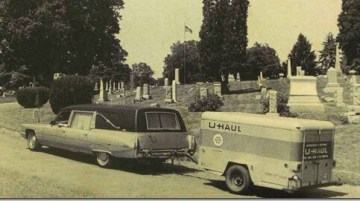 Back in the eighties, it was common to see bumper stickers on expensive cars that read, “He who dies with the most toys wins.” The sentiment was simple, life is about acquiring more, and happiness is found in the abundance of wealth. That might be a catchy saying, but the reality is, the only thing we win by accumulating more, is more. The Bible declares, there is much more to
 As a child I spent a great deal of time, perhaps a little too much, watching cartoons. I remember seeing, on more than one occasion, a scene where a character smelled the fragrance of a home-baked pie. The smell would lift him in the air and carry him to the window sill of the farmer’s house where the delicacy sat. Regardless of the danger posed by the farmer, he would attempt to steal the pie. While I am quite certain Paul did not see the same cartoon, he is reminding the Corinthians of the effect their lives can have of drawing others to Christ. He refers to our lives as being like a fragrant aroma that will lead other people to Jesus. Notice he refers to us as being two different aromas, to two different groups of people. If we follow his word order, he seems to be suggesting, to the Christian, the one who is being saved, we are the smell of death, while to the unsaved, we are the smell of life.
 Jim Gallagher