Revelation 3:14
“These things says the Amen, the Faithful and True Witness, the Beginning of the creation of God”
 What a beautiful and insightful way Jesus describes Himself to the church. He tells us three things about Himself.
First, He is the Amen. In the first chapter, He refers to Himself as Alpha and Omega, the beginning and the end. It is valuable to consider Jesus to be the end of the matter. When we are wrestling through things and trying to decide what the right path is, we should always acquiesce to the ways of God.
Second, He is the true witness. Many things speak to the nature of God. Nature reveals much of what God is like, while circumstances always seem to cloud our understanding of Him. If we want a clear vision of who God is, we should look carefully at Christ. He declared that to see Him was to see the Father (John 14:8).
Finally, He is the beginning of the creation. Now, that does not mean that He was the first of all things created, but that He is the cause of all creation. John tells us that all things were created by Him and nothing that was made was made apart from Him (John 1:3). The great force behind all His creation was His Word. We are told time and again that, “God said… And there was…” what great power is contained in the Word of God. The more you are in the pages of it, the more you will experience it in your daily life.
Pastor Jim
 I remember being in a cultural anthropology class in college, when the professor said, “the Bible says man was created in the image of God, but I believe God was created in the image of man.” While I totally disagree with his rejection of Biblical truth, I do agree, that man has been creating gods in his image since the beginning of time. We like to pretend we are a more evolved and sophisticated race than our ancestors, but the reality is, mankind has not changed. We are still creating gods in our image. Whenever we pick and choose verses we like, and reject the ones that make us uncomfortable, we are creating God in our own image. The Psalmist speaks of the folly of that, when he declares;
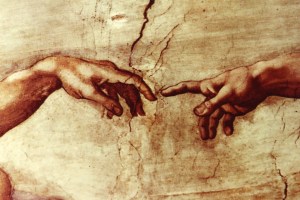 Have you ever heard the phrase, “you should have known better?” We use it when we view evidence so compelling that a particular conclusion is obvious. “I didn’t know that would happen!” This statement, a response to throwing a firecracker into the barbecue pit, or bringing a handgun through airport security, is an unreasonable response, “You should know better.” It seems equally as surprising to me, that the Psalmist would need to remind us that man is a creative work of God and did not spring into being as a result of his own innate ability. As surprising, and even preposterous as it may be, we hear all of the time, how highly intelligent and well-educated people will choose to believe that man is not a byproduct of an intelligent and loving Creator, but the consequence of random chance.
 Later in Israel’s history, the Law of God will be imparted, and idolatry will be forbidden. One of the main reasons is, a manmade icon cannot adequately represent an infinite God. No matter how skilled the worker, or how beautiful the image, it will be a poor representation of God. The actions of Rachel reflect that idea, as she sits on her gods to hide them from her father. Any God small enough to fit in your pocket, is certainly too small to aid in time of need.
 Jim Gallagher