Genesis 1:1
“In the beginning God created the heavens and the earth.”
The first verse of the Bible introduces us to its main character; God. This verse is not a philosophical statement but an axiom upon which all other statements will be based. As we venture through the Bible together we will read of the great exploits of God. We will hear of Him speaking to men, parting sees, knocking down walls, vanquishing enemies, stopping time, raising the dead and providing salvation for mankind. If this first statement is true, if God spoke and the worlds were formed, then we should have no problem believing that there is nothing that He cannot do. If we accept this first sentence of Scripture we will have no problem accepting all the miracles that follow. We will have no problem accepting that there is nothing too hard for God and we will live with an expectation of Him accomplishing great things in the life of all who live surrendered to Him.
J.S. Baxter in his commentary on Genesis points out that this one statement is also a basal pronouncement that undoes all false religious philosophies.
“In the beginning God…” – denies atheism with its doctrine of NO god
“In the beginning God…” – denies polytheism with its doctrine of MANY gods
“In the beginning God created…” – denies fatalism with its doctrine of CHANCE
“In the beginning God created heaven and earth…” – denies pantheism with its doctrine of making earth god
“In the beginning God created heaven and earth…” – denies materialism which asserts the eternity of matter
This first testimony of Scripture is not only a declaration of divine truth but is also a repudiation of human error. As we read though the Bible together we will will be further introduced to the God of creation. We will see that He is also the God of salvation who desires an intimate and personal relationship with all of us. It is my prayer that you will take Him up on His offer of eternal life and walk closely with Him today.
Pastor Jim



Genesis 1:1
“In the beginning God created the heavens and the earth.”
The first verse of the Bible introduces us to its main character: God. This verse is not a philosophical statement, but an axiom upon which all other statements will be based. As we venture through the Bible together, we will read of the great exploits of God. We will hear of Him speaking to men, parting seas, knocking down walls, vanquishing enemies, stopping time, raising the dead, and providing salvation for mankind. If this first statement is true, if God spoke, and the worlds were formed, then we should have no problem believing there is nothing He cannot do. If we accept this first sentence of Scripture, we will have no problem accepting all the miracles that follow. We will have no problem accepting that there is nothing too hard for God, and we will live with an…
View original post 203 more words
 What a beautiful and insightful way Jesus describes Himself to the church. He tells us three things about Himself.
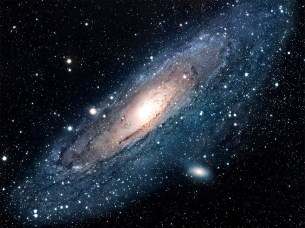 Bible writers use a variety of adjectives to help us better understand God. The Psalmist chooses the word great. Great is a word with vast meaning. It can indicate size; one dictionary defines it as “very large and imposing.” It can also mean important, distinguished, superior and preeminent. It is clear, the Psalmist is declaring God is above all His creation. One way he chooses to express the greatness of God, is to refer to His infinite understanding. There is nothing God does not know. The Psalmist declares,
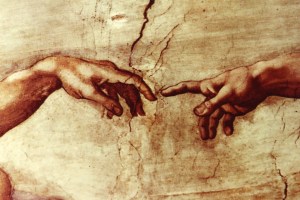 Have you ever heard the phrase, “you should have known better?” We use it when we view evidence so compelling that a particular conclusion is obvious. “I didn’t know that would happen!” This statement, a response to throwing a firecracker into the barbecue pit, or bringing a handgun through airport security, is an unreasonable response, “You should know better.” It seems equally as surprising to me, that the Psalmist would need to remind us that man is a creative work of God and did not spring into being as a result of his own innate ability. As surprising, and even preposterous as it may be, we hear all of the time, how highly intelligent and well-educated people will choose to believe that man is not a byproduct of an intelligent and loving Creator, but the consequence of random chance.
 There can be great value in getting away from our manmade world and looking at the creative work of God. Seeing the beauty of His creation seems to give us new perspective on His love, power, and glory. I can recall one particular sunset in Africa that was so magnificent and seemed to last for an hour. The sky was filled with an array of colors, like I had never seen before. I recall how the view of the snow capped Austrian Alps, and the water falls of Kauai captivated me, filling me with awe and amazement at the beauty of God’s handiwork. I am sure you have a list of your own experiences that cause you to celebrate the beauty of creation. That being said, the Psalmist begins to talk about what God views as true beauty. He declares;
 A modern dictionary defines a fool as, “someone who lacks judgment,” or “a deranged person lacking in common powers of understanding.” As a form of illustration, this sentence was used: “You would be a fool to believe what he tells you.” Often, the Christian is portrayed as a fool, and sometimes, belief in God is treated as folly. More commonly, believing God is looked at as foolishness.
 Webster defines glory as “Great beauty and splendor, even magnificence.” David is declaring things about the magnificence of God. It seems this Psalm was penned as a result of looking at the beauty of creation, in light of the Creator. He realizes that as glorious as creation is, it pales by comparison to the Creator.
 It has been said, if we can believe the first four words of the Bible, we should have no problem with the rest of its claims. “In the beginning God…” The Bible is filled with stories of the mighty workings of God. We read of Him speaking the worlds into existence, delivering a nation from the threat of death, parting the seas, providing food in a desert, knocking down the walls of Jericho, raising a shepherd boy to the palace, healing the sick, and delivering those who were possessed by devils. Page after page, we read of God being God and providing victory over the affairs of life. It seems that for many of us, we have no problem believing in the mighty workings of God. We trust the validity of our Bibles, we celebrate His mighty work in the life of others, and even sing together of His miraculous power. However, when it comes to our own lives, we sometimes act like Agrippa. We question the ability of God; we wonder if His power is really strong enough to help us in our time of need.
 The Biblical account of the origin of life is fascinating and filled with wonder. We read, all that exists was brought forth with nothing more than the voice of God. He spoke and mountains formed, the seas were birthed, and life began. Of all the wonders of creation, none is more fascinating than to read, after six short days God rested. If the only energy expended in creation was His voice, we know He did not rest out of exhaustion. Instead, His resting was a testimony to the fact that all creative work was accomplished.
 Jim Gallagher