Amos 3:3
“Can two walk together, unless they are agreed?”
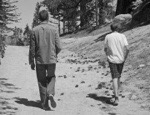 If you and I were to go on a walk, we would not have to agree about everything, but we would have to agree about where we were going. Once we disagreed about direction, we could no longer walk together. Amos is suggesting that Israel failed to walk with God because they were not in agreement with the direction God was taking them. This passage is written long after God had walked Israel through the wilderness and into the promised land, but I am reminded of what God told the people during their wilderness journey.
Exodus 19:4 “You have seen what I did to the Egyptians, and how I bore you on eagles’ wings and brought you to Myself.”
God made it clear, the destination which He was leading Israel, was not the land of Israel, but was to relationship with God. We are all on that same journey. Once we have received Christ, we begin a process called sanctification, where we are becoming like Christ. Every trial and blessing becomes a tool in God’s hand to accomplish this work in our lives. He wants to cut away the things that are ungodly from our lives and replace them with things that bring Him glory. However, the only way we will be successful is if we agree with God that we want to become like Him. Once that happens, we will allow Him to remove unnecessary things.
Are you willing? Have you sat before the Lord and truly asked Him to do whatever it takes to make you the person He wants you to be? If not, do that now. Take some time to confess what you are doing wrong and ask God to help you do what is right.
Pastor Jim
 Leviticus 4 addresses unintentional sins. The word unintentional means, “not being done on purpose; accidental or unwittingly”. Whether these sins are committed by the people, the leaders, or the congregation as a whole, Moses gives instructions for how forgiveness will be received. This forgiveness involved two primary factors. First, once they became aware of their sin, the people were responsible to bring an offering to the altar. Second, they were to lay their hands on the offering as an admission of their guilt. We can learn something about our reaction to sin from these offerings.
 Jacob has made a mess of things. His own ambitions have driven a wedge between himself and his family, he has been forced to flee for his life, and is now, just about homeless. With his head resting on a rock, he develops his own covenant with God. “If you will do these things for me, then you will be my God.”
 Jim Gallagher