Esther 6:1
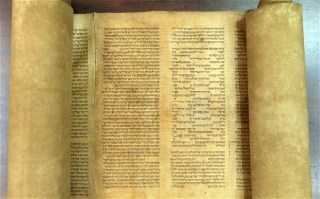
“That night the king could not sleep. So one was commanded to bring the book of the records of the chronicles; and they were read before the king.”
 We don’t always get to see what God is doing on the other side of our trials. This is one of those rare cases and should provide us with a great deal of comfort. Esther had been encouraged by her uncle to use her position as Queen to make a request on behalf of the Jewish people who were being targeted for extermination. She knew this was a dangerous move since it would require her accessing the king without permission as well as exposing that she too was Jewish. None the less she boldly requested the king and Haman to attend a banquet where she would expose Haman as a fiend and plead for the salvation of her people. What Esther did not know is that God was working behind the scenes in an extraordinary way.
That night the king was unable to sleep and decided to review the official book of records. It seems that even then the cure for insomnia was a good old fashion history text book. While examining these records he came across a section that described a murderous plot against the king that had been thwarted by a Jewish man named Mordecai, yet there was no record of him being rewarded for his service. The very man who wanted to destroy the Jews found himself having to honor one of the Jews.
When Esther arrives at the banquet to make request on behalf of her people the Lord has already prepared the heart of the king. The same thing is true in our lives. The Lord is faithfully working behind the scenes to prepare the way for what He has called us to accomplish.
Jim
 Haman’s problem with Mordecai and the Jewish people as a whole was not that they were lawless, insubordinate, unruly or even rebellious. His problem was that they lived by a higher law and as a result were not easily swayed by the changing tides of culture. As a result he determined to rid the landscape of all those who named the name of YHWH. As a follower of Christ we should seek not to be lawless but to live by a higher law. When the apostles were being threatened they responded “Whether it is right in the sight of God to listen to you more than to God, you judge. For we cannot but speak the things which we have seen and heard.”
 Feasts were an important part of Israel’s annual worship. In the Law, God established seven feasts which occurred during three different seasons of their calendar year. These feasts were a reminder of the work of God. They were designed to bring the people together, and to fix their attention upon the things of the Lord. Each feast included times of worship, reading of the Word, and celebrating the Lord together. Historically, it was during these feasts, commitments were made to the Lord, and even times of national revival broke out. Here, in Esther, we see the feast of Purim added to their worship calendar. Purim was not one of the feasts established by the Law. This one was added to celebrate the events described in Esther, and to remember the good hand of God upon them.
 When the chance arose for Esther to make her request known to the king, she pleaded on the behalf of others. This is called intercession, and is a critical part of the prayer life of every believer.
 Esther was given access to the king. She was allowed to make a single request that seemed to be limitless. With all the wealth of the Persian kingdom at her disposal, her request was for the salvation of her people. Imagine if you had access to a wealthy and powerful king, who allowed you to ask for anything up to half of all he possessed. What would your request be? Now stop imagining. If you have received Jesus Christ as your Savior and Lord, the Bible promises you have access to the King of Kings. You can make constant requests before God. You have continual access to God and are exhorted to come regularly to His throne.
 It is not easy to figure out why one person is given certain gifts and opportunities, that are not afforded to another. We see two people with relatively the same skill level, yet, one is chosen for a task and the other is not. Instead of allowing this to discourage us, we should keep in mind, whatever station we find ourselves, it will give us a platform to tell others about the hope of eternal life found in Christ.
 It could have been easy for a woman like Esther to feel forgotten. She had lost her parents at a young age, and was a believer living, in an area where she was surrounded by those who did not know the Lord. As the pages turn, it appears there must have been some level of persecution against the Jews, since Esther chose to hide her heritage from everyone in authority. This rising persecution will set the stage for much of what develops in her story. It seems as though, instead of allowing difficulty to tarnish her view of God, she allowed her situation to give God an opportunity to show His love in her life.
 The opening scene of Esther sheds a bright light on the needs of men. Ahasuerus, king of Persia, had invited all the nobles of his kingdom to a great celebration. It is likely, he was trying to persuade them to get behind his program of sending a massive army to overthrow Greece. During this celebration, he called for his wife to come and parade herself before him and his friends. No doubt, this would be an embarrassing act for any woman, so she refused. Ahasuerus took her refusal as a personal attack against him. He felt as though his wife was not behind him, supporting and honoring him as king. This sent a chilling message to all the men, if the queen did not honor her husband, what chance did they have of being honored by their wives.
 Jim Gallagher