Leviticus 11:2
“Speak to the children of Israel, saying, ‘These are the animals which you may eat among all the animals that are on the earth.'”
 If we go back to the call of Abraham, we realize Israel was a nation chosen and established by God. Abraham was told that through his seed all the nations of the earth would be blessed. Later, we read God’s purpose in choosing Israel was for them to be a light to the rest of the world. God’s idea was for the world to know who He was, through the witness of His people. One factor that would make their light shine more brightly was living by a higher standard than the world around them. This is part of the reason for the dietary laws.
There may be some health reasons behind the food restrictions God placed upon His people, but this is certainly not the main reason for adopting them. There are many foods they were allowed to eat that are as unhealthy as what was forbidden. Instead, the laws were designed to cause Israel to stand out, and be a witness to the world. This principle is highlighted in the story of Daniel. You recall how he was offered all of the king’s delicacies, but chose to eat only vegetables (Daniel 1:8). This was, no doubt, driven by two factors. First, the dietary restrictions of the Law, and second was the fact that much of the food of Babylon was offered to idols. When Daniel chose to stand up for the Word of God and live accordingly, he became a powerful witness to his generation. We find others joined him in his stand for the Lord, and many were drawn into relationship with God.
Jesus explained that the Christian is called to be a light to the world. The more we commit ourselves to the ways of God, the brighter that light will shine. When we refuse to bow to the standards of our culture, and instead, live according to the Word of God, we will see others drawn to Christ. While we do not have a list of movies, television shows, or a playlist of songs, that we are to avoid, it is clear from content, there are many things on which Christians have no business spending their money, or filling their minds. Remember, our first priority is to glorify God, and be a light to the world in which we live.
Pastor Jim
 While most of Israel seemed satisfied with their present experience of God, Moses had a longing for more. His past experiences of being commissioned directly by God at the burning bush, seeing the miraculous hand of God work through the plagues, watching the Red Sea part, tasting Manna from heaven and water from a rock, hearing the voice of God from the mountain, and seeing the Shikinah glory abide in his own tent, were not enough to satisfy the longing in Moses’s heart for more of God.
 The world is fascinated with love. Innumerable songs, books, plays and poetry have been written on the subject. Love is the favorite theme of Hollywood movies, gossip rags and television shows. We even have Valentine’s Day, where we celebrate love with flowers, candy and romantic sentiments. I grew up hearing the words “all we need is love” heralded through the airwaves. Love was an important subject in the times of Christ as well. When Jesus was asked what was the most important of all the commandments He responded, “ ‘You shall love the Lord your God with all your heart, with all your soul, with all your mind, and with all your strength.’ This is the first commandment. And the second, like it, is this: ‘You shall love your neighbor as yourself.’ There is no other commandment greater than these.” Mark 12:30 The scribes understood exactly what Jesus was saying and agreed with Him fully. They said “to love God and to love others is more than all the offerings and sacrifices.” We have taken the greatest commandment and put it through the word processor of modern times and reduced it to one word: love. Even those who do not follow Jesus (and a few who do not even believe in Him) will quote Him as saying the greatest commandment is love. They will go on to espouse, that if we want to live and die right, all we need to do is be loving toward one another. Since Jesus declares that this is the most important of all commandments, it is vital that we understand that the command not only states love is the greatest responsibility of man, but also declares who we are to love. Just to love our family, or be compassionate toward those less fortunate than us, or to be kind to our fellow man, does not satisfy this commandment. We are only fulfilling the great commandment when we are loving God first, and loving others as an expression of our love for God. Ask yourself this morning, do I love God first? If you do, He should have first place in your life, which means He will have first place in your living. If you love Him, you will spend time with Him, in His Word and in prayer. You will seek to please Him with your actions and express your love to Him in worship. Just to love, or to herald the importance of love, does not satisfy the greatest commandment. Instead, “You shall love the Lord your God with all your heart, with all your soul, with all your mind, and with all your strength. ’ This is the first commandment. And the second, like it, is this: ‘You shall love your neighbor as yourself. ’ There is no other commandment greater than these.”
 I imagine if any of the people in this massive caravan were asked where they were headed, they all would have given the same answer, “We are going to the Promised Land.” They had grown up with stories of a land flowing with milk and honey; had been dreaming of this day for generations. Their goal was to reach a land where they were free from the tyranny of Egypt. At the same time, if we were able to look up and ask the Lord where this multitude of people was headed, His answer would not be the same. To Him the destination was somewhere entirely different. God said “I am bringing them to myself.”
 Paul wrote in1 Corinthians 2:14,
 Matthew 26 and 27 record the final events in the life of Jesus. The hostility toward Him has reached a climax, and His opponents are seeking to kill Him. Theirs is the most heinous of sins, the murder of the Son of God! But the text reveals that their sin was motivated by what commonly drives you and I to sin; the fear of man. The fear of man might simply be defined as being more concerned with what man thinks, than what God thinks. On the other hand, the fear of God is being more concerned with what God thinks, than what man thinks. Solomon wrote
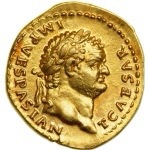 As the cross approaches, so does the opposition to Jesus. The religious leaders are desperately trying to turn the people against Jesus. In this case, they sent the young Pharisees, and the Herodians, a political sect that favored the Jews being ruled by Rome. When they arrived, they must have thought they had come up with the perfect question. No matter how Jesus answered, He would end up polarizing himself. “Is it lawful to pay taxes to Caesar?” If Jesus says “yes”, he will find himself at odds with the people. They will think of Him, and all He has done and said, as simply a political movement in support of Rome. If He says “no”, He will find himself the enemy of Rome and be a wanted man. I can almost feel the excitement of the religious leaders as the question is posed. Jesus’ response is as insightful as it is brilliant.
 We have four sons and had to select names for each of them. When making our decisions, we looked through name books, considered family names, then ultimately chose names that we liked. Very little consideration was given to what, if anything, the names actually meant. In Biblical times, names mattered much more than they do today. A person was named for an event that transpired around their birth, or to describe a particular character trait. A son who came out of the womb with a lot of hair was called Esau or Hairy, and his twin brother who held on to his heel, was called Jacob, or heel catcher. This principle is particularly true as it relates to God. The names ascribed to God in Scripture are more than titles to distinguish Him from others. These names are like miniature portraits and promises that identify who He is and what He does.
 The scene in the garden quickly shifts, and we find Eve face to face with great temptation. This text not only explains how sin and death entered the world, but also serves as an illustration of the temptations a believer will face. The first thing to note is how the devil is described, he is called “cunning.” It is important to remember, whenever facing temptation, that every word out of the mouth of the devil is designed to deceive. Jesus called him the father of lies (John 8:44), so we should expect that he will twist the words of God, in order to lead us astray. As their discussion continues, we see three key truths about temptation.
 The first verse of the Bible introduces us to its main character: God. This verse is not a philosophical statement, but an axiom upon which all other statements will be based. As we venture through the Bible together, we will read of the great exploits of God. We will hear of Him speaking to men, parting seas, knocking down walls, vanquishing enemies, stopping time, raising the dead, and providing salvation for mankind. If this first statement is true, if God spoke, and the worlds were formed, then we should have no problem believing there is nothing He cannot do. If we accept this first sentence of Scripture, we will have no problem accepting all the miracles that follow. We will have no problem accepting that there is nothing too hard for God, and we will live with an expectation of Him accomplishing great things in the lives of all who live surrendered to Him.
 Jim Gallagher